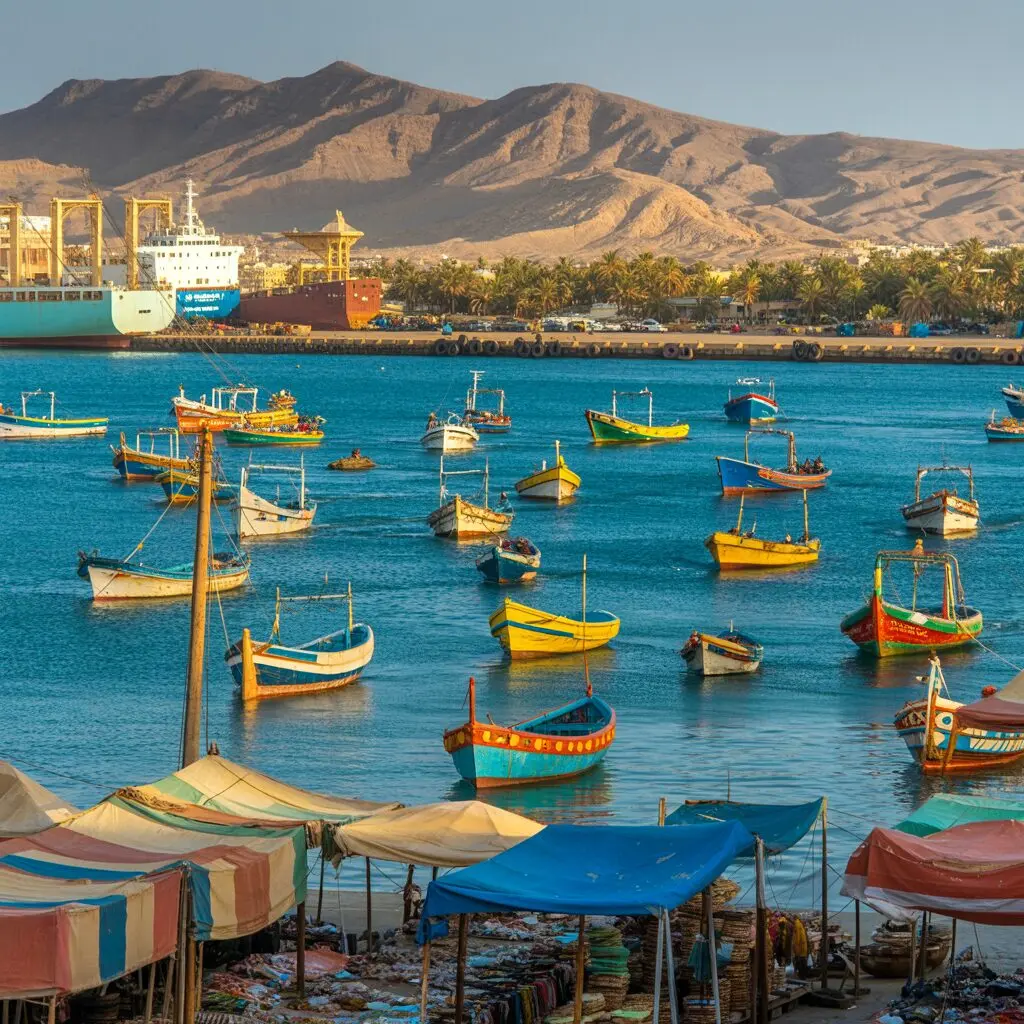
Djibouti is one of East Africa’s most underrated travel destinations – a small country packed with extraordinary natural wonders, strategic history, and dramatic landscapes. Situated at the mouth of the Red Sea and the Gulf of Aden, Djibouti City is a cosmopolitan hub surrounded by salt lakes, volcanic rock formations, and some of the world’s most accessible marine encounters.
Before you arrive, sort your entry documentation. Most nationalities need a Djibouti eVisa, applied online at evisa.gouv.dj. See our application guide and check requirements before booking flights.
When to Visit Djibouti in 2026
Djibouti has a hot desert climate with two main windows:
- October – April (dry season): Best time to visit. Temperatures 25-35°C. Whale shark season (November-February) draws divers to the Gulf of Tadjoura.
- May – September (hot season): Temperatures regularly exceed 45°C. Challenging for most travelers.
Top Attractions
Lake Assal
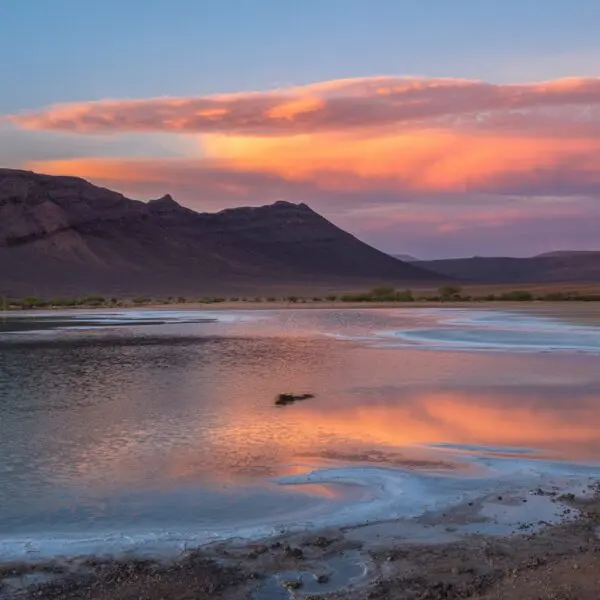
At 155 meters below sea level, Lake Assal is the lowest point in Africa and the saltiest body of water outside Antarctica. Brilliant turquoise waters surrounded by white salt crust and black lava fields create an otherworldly landscape. About 2 hours from Djibouti City, combine with Ardoukoba volcano for a full-day trip.
Lac Abbé (Lake Abbe)
Thousands of limestone chimneys rising from salt flats, many emitting geothermal steam – the filming location for the original Planet of the Apes (1968). An overnight camping trip is essential to experience sunrise here. A 3-hour drive from Djibouti City across the Hanle plain.
Gulf of Tadjoura – Whale Sharks
Between November and February, whale sharks gather in the warm, clear waters of the Gulf of Tadjoura. Guided snorkeling tours depart from Djibouti City for encounters with these gentle giants – the largest fish on earth.
Djibouti City
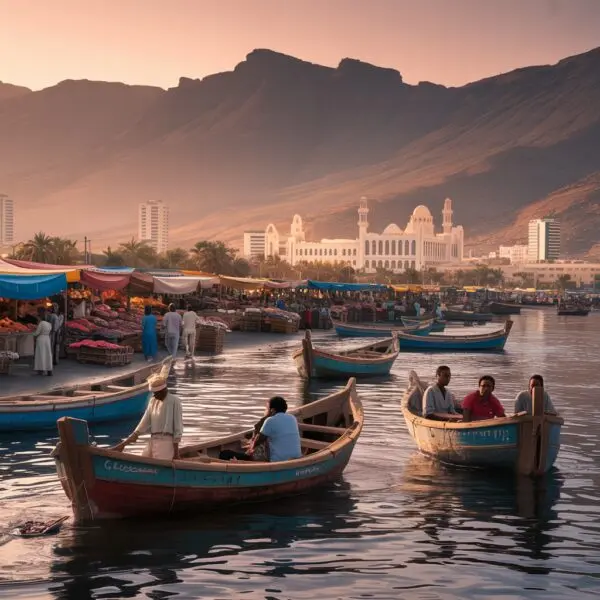
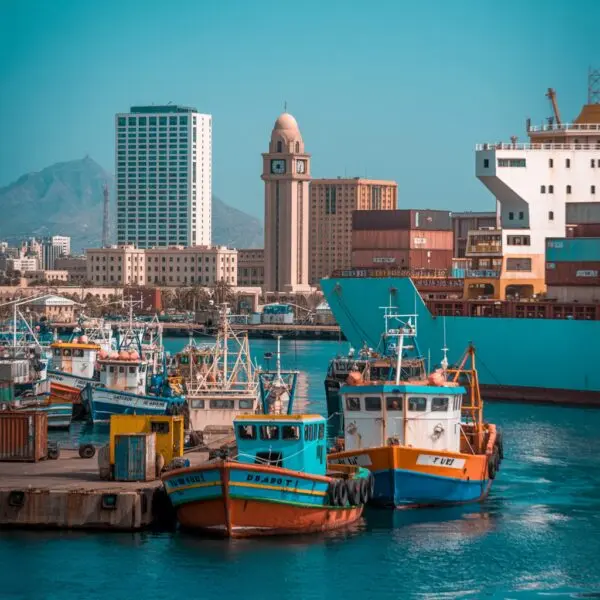
A compact, vibrant capital blending French colonial architecture, Arab markets, and African culture. Key sights: Hamouli Market, Place du 27 Juin, the busy port, Al-Hamoudi Mosque, and the early-morning fish market.
Day Forest National Park
One of the last juniper forests in the Horn of Africa, at 1,500 meters in the Goda Mountains. Home to the critically endangered Djibouti francolin (found nowhere else on earth).
Getting There
All international arrivals land at Ambouli International Airport (JIB), 5 km from Djibouti City. Airlines serving Djibouti include Ethiopian Airlines, Air France, Turkish Airlines, flydubai, Air Arabia, and Kenya Airways.
Visa – eVisa Required
Most nationalities need a Djibouti eVisa. Apply at evisa.gouv.dj at least 10 business days before departure. Short-stay eVisa: $23, allows 15-90 days. See eligible countries and full requirements before applying.
Getting Around
- Taxis – widely available in Djibouti City; negotiate fare before departure
- 4WD rental – essential for trips outside the capital
- Djibouti-Addis Ababa Railway – connects Djibouti to Ethiopia’s capital in ~12 hours
- Ferries – connect Djibouti City with Tadjoura and Obock
Practical Tips
- Currency: Djiboutian Franc (DJF), pegged to USD. Bring USD cash – ATMs limited outside capital.
- Language: French and Arabic official. Basic French is very helpful.
- Health: Carry malaria prophylaxis. Drink only bottled water. Medical evacuation insurance essential.
- Safety: Djibouti City relatively safe. Avoid border areas near Somalia and Eritrea.
Frequently Asked Questions
Is Djibouti safe for tourists in 2026?
Djibouti City is considered relatively safe for international tourists. The country has a stable government and hosts several foreign military bases. Avoid border areas near Somalia and Eritrea. Check your home government’s travel advisory before departure.
How many days do I need in Djibouti?
4-5 days covers main highlights: Djibouti City, Lake Assal, Lac Abbé, and Gulf of Tadjoura. 7-10 days allows a relaxed pace with diving, overnight camping at Lac Abbé, and day trips. Apply for the short-stay eVisa (up to 90 days) for maximum flexibility.