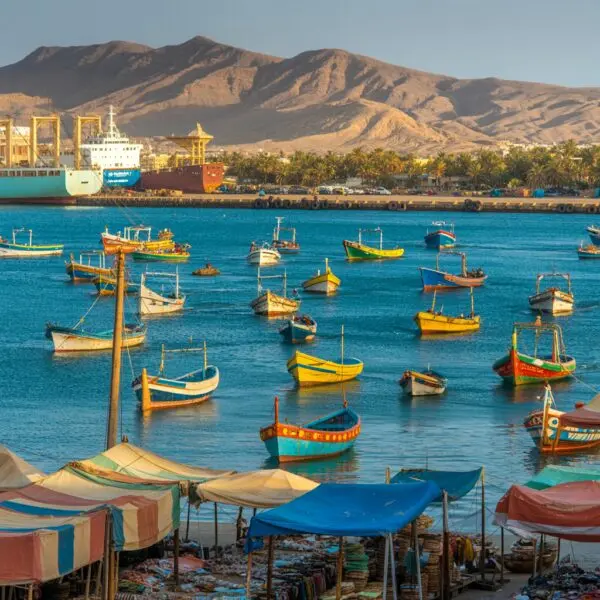
Djibouti’s top attractions are genuinely world-class. From Africa’s lowest point at Lake Assal to prehistoric limestone chimneys at Lac Abbé and whale shark encounters in the Gulf of Tadjoura, this small country delivers outsized natural drama.
To visit, most nationalities need a Djibouti eVisa applied online at evisa.gouv.dj before departure. Apply at least 10 business days in advance. Cost: $23 for a short-stay eVisa. See our application guide.
1. Lake Assal – Africa’s Lowest Point
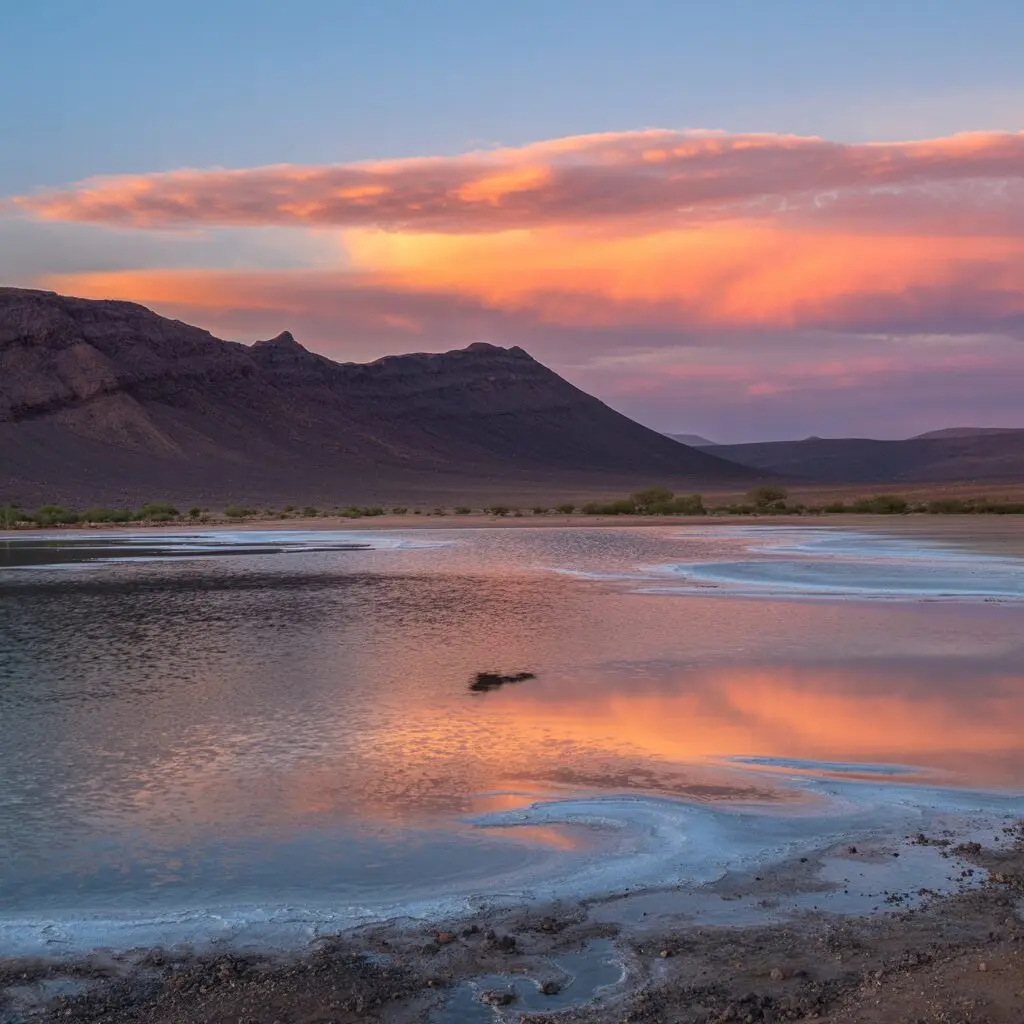
At 155 meters below sea level, Lake Assal is the lowest point on the African continent and the most saline body of water outside Antarctica. Brilliant turquoise water, white salt crust, and surrounding black lava fields create an otherworldly landscape.
Located 120 km from Djibouti City (2-hour drive). Float in the hyper-saline water, walk salt flats, and combine with nearby Ardoukoba volcano for a full day.
2. Lac Abbé (Lake Abbe)
Thousands of limestone chimneys rising from salt flats, many emitting geothermal steam – the original Planet of the Apes (1968) filming location. Visiting requires an overnight camping trip to experience the iconic flamingo-filled sunrise. 3-hour drive from Djibouti City.
3. Gulf of Tadjoura – Whale Sharks
The Gulf of Tadjoura is one of the world’s best whale shark locations. Between November and February, whale sharks gather near the surface in large numbers. Guided snorkeling tours offer unforgettable close encounters with these gentle giants. Exceptional diving and snorkeling year-round.
4. Djibouti City
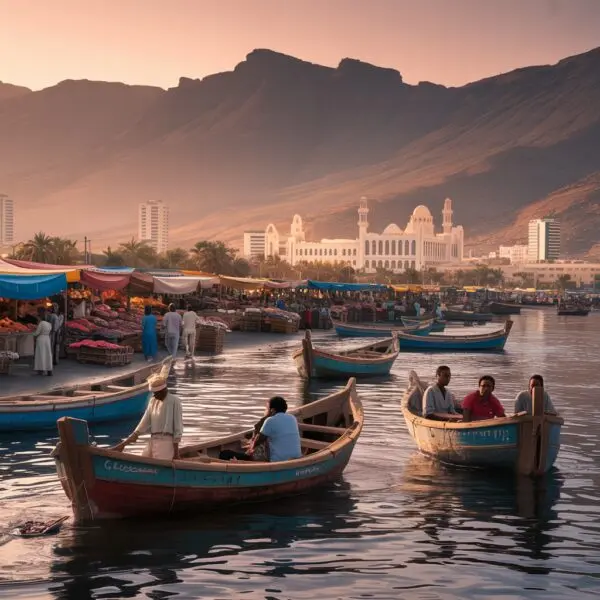
A vibrant blend of French colonial architecture, Arab souks, and African street life. Key highlights:
- Hamouli Market – spices, cloth, local crafts
- Place du 27 Juin – central square
- The Port – watching container ships in one of the world’s most strategic waterways
- Al-Hamoudi Mosque – main Islamic landmark
- The Fish Market – best at early morning
5. Day Forest National Park (Forêt du Day)
One of the last juniper forests in the Horn of Africa, at 1,500 meters in the Goda Mountains. Home to the critically endangered Djibouti francolin – a bird found nowhere else on earth. Cool, misty contrast to the desert below.
6. Moucha and Maskali Islands
Small coral islands in the Gulf of Tadjoura – day trips from Djibouti City offering excellent snorkeling, diving, and beach relaxation. Rich coral reefs with diverse marine life. Bring sunscreen, snorkel gear, and water.
7. Ardoukoba Volcano
Last erupted in 1978, this volcano within the East African Rift Zone is often combined with Lake Assal. Hike the crater rim and explore black basalt lava fields where a continent is actively splitting apart.
Frequently Asked Questions
When is the best time to see whale sharks in Djibouti?
Whale sharks are most reliably encountered between November and February in the Gulf of Tadjoura. This coincides with Djibouti’s cooler season – the ideal overall travel window. Book tours in advance.
Do I need a guide to visit Lac Abbé?
Yes. Lac Abbé is remote and a local guide is strongly recommended for navigation and arranging overnight camping. Many Djibouti City hotels and agencies offer day/overnight tours. Make sure you have a valid Djibouti eVisa before traveling.